salt awareness week 2026 Abuja nigeria #salt it out for good
Salt Awareness Week 2026 Road Walk
Network for Health Equity & Development


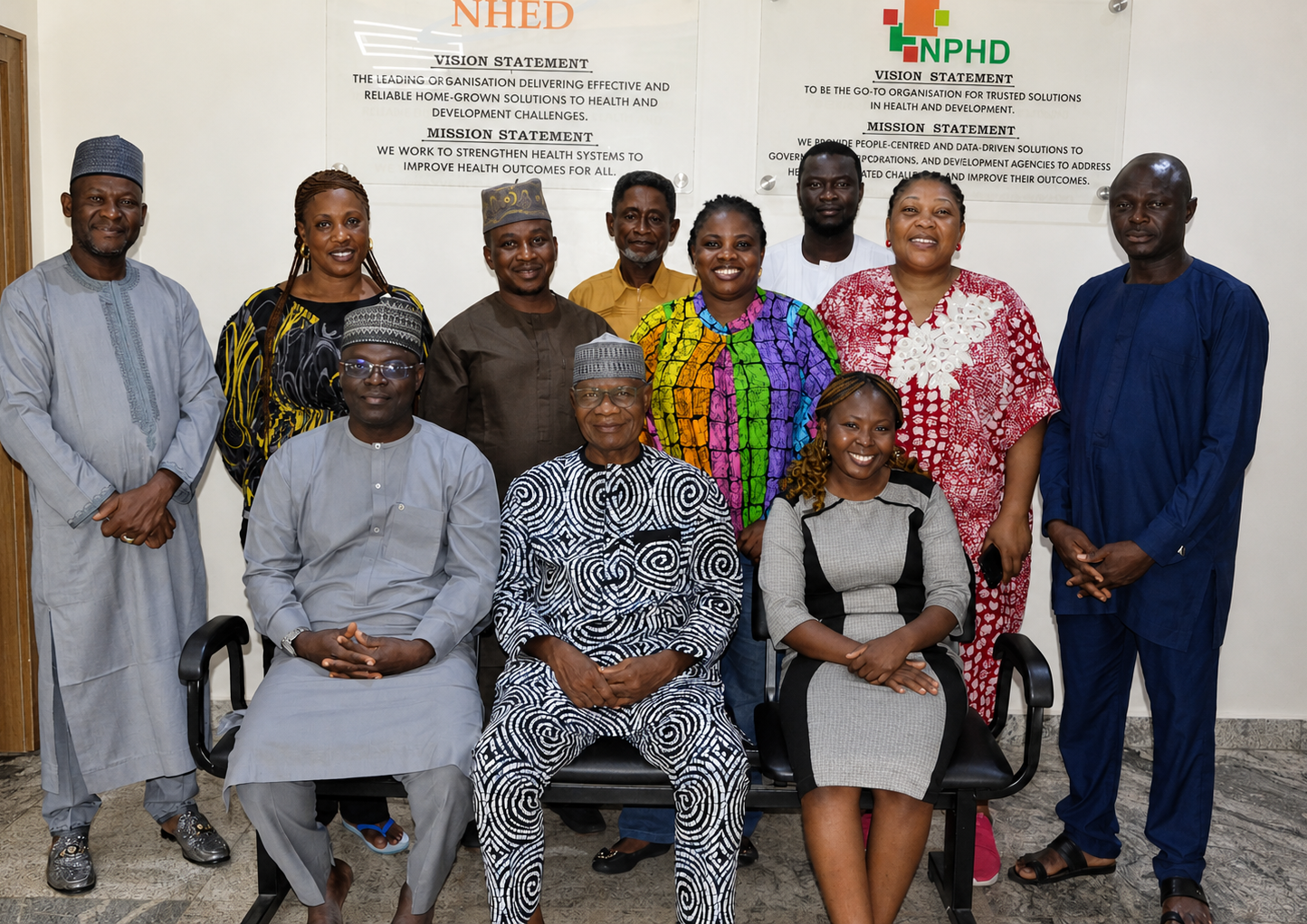






NHED is a Nigerian public health and development non-profit organisation committed to delivering high-impact public health interventions across Africa. Our network of innovative and dynamic professionals from within and outside the country work with government, international and local partners to build resilient and responsive systems that meet the needs of the communities we serve and deliver equitable access to healthcare for vulnerable people and underserved populations.


To be the leading organisation delivering effective and reliable home-grown solutions to health and development challenges.
These are our core focus areas of expertise

We provide robust advocacy strategies to engage decision-makers, support policy formulation, and up- take, and influence the implementation of behavior change initiatives.

We support the government to deliver evidence-based cost-effective interventions across a range of public health thematic areas, including Maternal, Newborn and Child Health (MNCH), non-communicable diseases (NCDs), and nutrition..

Our work in the nutrition space has seen us provide support to improve nutritional status through micronutrient supplementation and education that result in changes in knowledge, attitudes, and practices, especially among women and children, poor and vulnerable households.

We engage, develop, and deploy tools to support state actors in delivering their mandates.

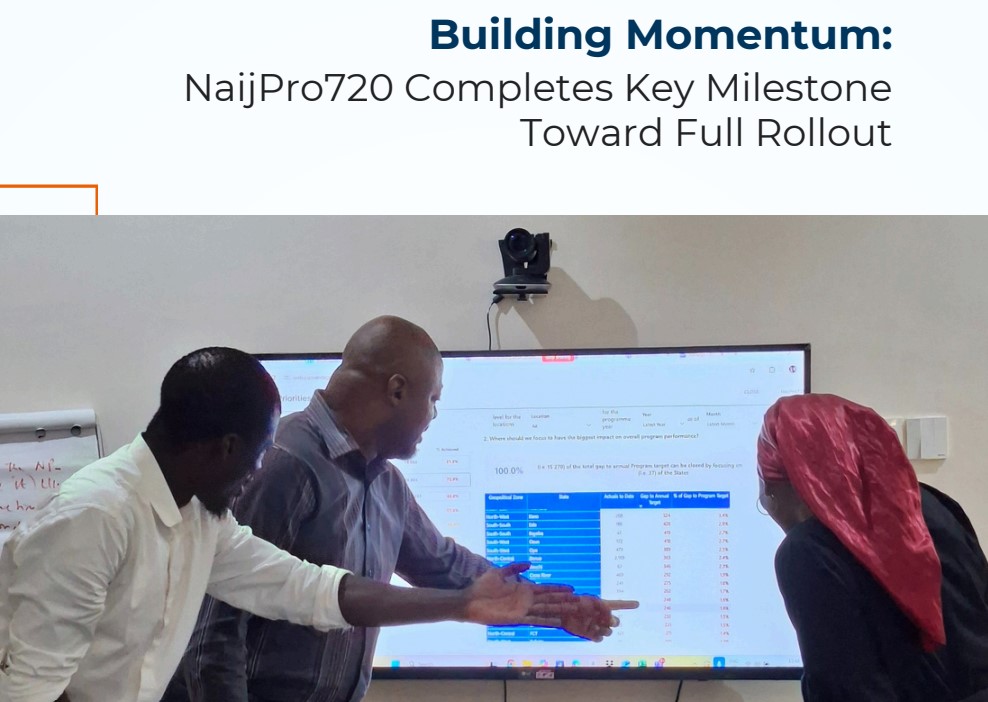
The NaijPro720 Project is an AI-powered digital performance management platform developed by Vantage Health Technologies in partnership with the Network for Health Equity and Development (NHED) and implemented with the National HIV/AIDS, Viral Hepatitis and STIs Control Programme (NASCP) under the Global Fund Nigeria Country Grant 7 (GC7). This platform strengthens accountability, improves program visibility, and enables data-driven decision-making across Nigeria’s health sector. Deployed across all 36 states and the Federal Capital Territory, NaijPro720 provides real-time performance dashboards to program managers, technical teams, and health facility personnel, facilitating timely monitoring, rapid identification of implementation gaps, and evidence-based decision-making. By integrating intelligent analytics with routine program data, the platform enhances operational efficiency, strengthens coordination, and significantly improves program performance within Nigeria’s HIV response.

The Network for Health Equity and Development (NHED) successfully implemented the Accelerating Nutrition Results in Nigeria (ANRiN) Project and complementary Nutrition Innovation Projects from 2021 to 2024 in Gombe, Nasarawa, and Plateau States. This initiative, supported by the World Bank and Global Financing Facility, significantly improved the nutritional status of vulnerable populations by delivering critical nutrition interventions, tackling malnutrition, micronutrient deficiencies, and limited access to services. NHED’s integrated service delivery model combined facility-based care with extensive community outreach, stakeholder engagement, and robust digital data management, surpassing ambitious targets and strengthening nutrition information systems. The project also introduced innovative behavior change communication tools like the Talking Book technology, solidifying NHED’s reputation as a credible, results-oriented development organization capable of implementing large-scale, donor-funded interventions and generating evidence for scalable innovations.

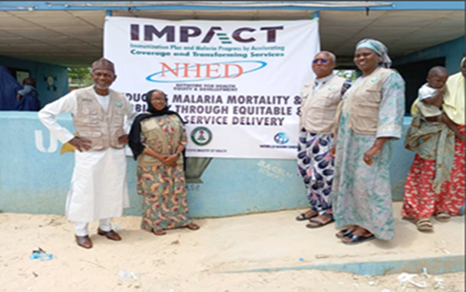
The Network for Health Equity and Development (NHED) spearheaded the Immunization Plus and Malaria Progress by Accelerating Coverage and Transforming Services (IMPACT) Malaria Project in Borno State, Nigeria, from 2024 to 2025. Funded by the World Bank-backed IMPACT program and supported by the Borno State Government, this initiative aimed to strengthen health systems and eradicate malaria in resource-constrained settings. The project reached an estimated 6.29 million people across 235 primary healthcare facilities in 26 Local Government Areas, focusing on vulnerable populations like pregnant women and children under five. NHED’s holistic approach addressed systemic challenges from workforce capacity and supply chain logistics to community engagement and robust monitoring, demonstrating its capability to manage large-scale, performance-based interventions and its pivotal role as a trusted partner in public health.